
How to Strip Paint: A Complete Guide
Wondering how to strip paint? Whether you’re tackling a renovation project or prepping for a fresh new look, it can seem like a tough task. However, there is no need for that. The process of removing old paint layers can vary depending on the surface and the type of paint involved. Luckily, our paint experts are here to walk you through what to do.
In this guide, we’ll share the best methods for stripping paint from metal, concrete, and wood surfaces. By the time you’ve finished reading, you’ll be ready to say goodbye to that old, cracked paint.
The Best Ways to Strip Paint
Using the right method is the key to success, whether you’re revamping an old dresser, prepping your walls for a makeover, or restoring a backyard deck. Stripping paint can be messy and time-consuming, but with the right knowledge, you’ll have smooth paint surfaces in no time.
Here are the best ways to get the job done:
- Paint Stripper – Chemical paint strippers are solvents that break down the paint’s bond with the surface. They’re effective on wood, metal, and concrete and come in gel or liquid forms. Apply the stripper, wait for it to react with the paint, and then scrape off the loosened paint.
- Sandpaper – This manual method is best for smaller areas or intricate details. It’s particularly effective on wood surfaces. Start with coarse grit to remove the bulk of the paint and finish with a finer grit for a smooth surface.
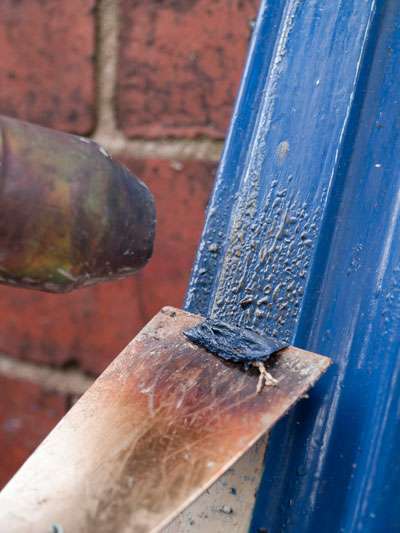
- Heat Gun – A heat gun softens the paint, making it easier to scrape off. This method is quick and effective on large surfaces but requires caution to avoid damaging the underlying material or causing fires.
- Infrared Devices – Infrared paint removers use infrared rays to heat the paint without damaging the wood underneath. They’re effective and safer than traditional heat guns.
- Steam Stripper – Steam strippers use hot steam to soften paint. This method is environmentally friendly and works well on wood and other delicate surfaces.
Stripping Paint from Walls
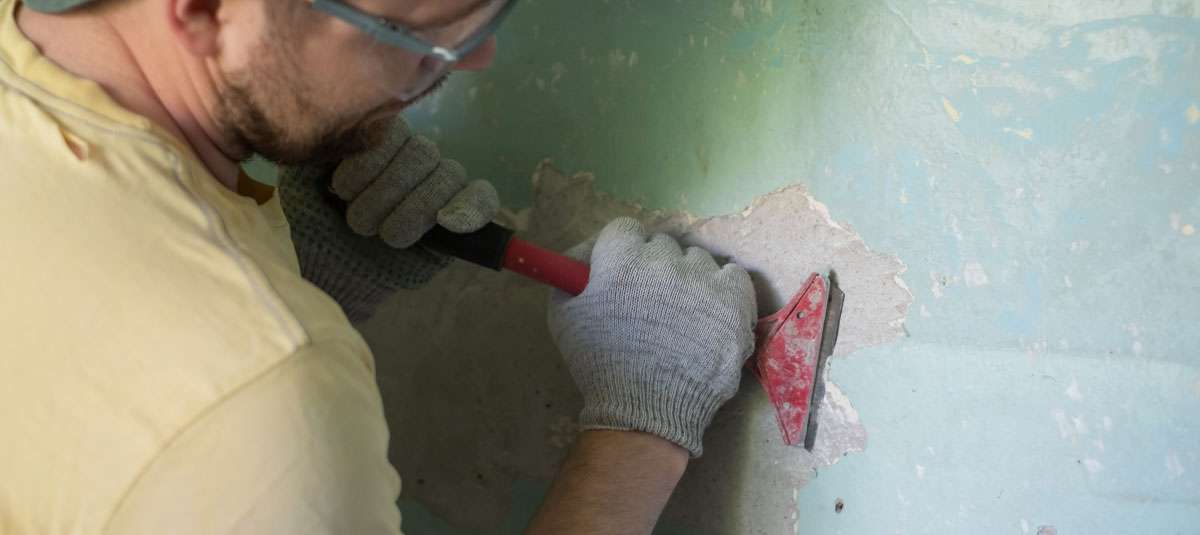
Stripping paint from walls can be a labor-intensive process but is necessary for achieving a smooth finish with your new paint. Here’s how to do it:
- Preparation – Start by removing any of your furniture, fixtures, and wall hangings. Cover floors and immovable objects with drop cloths.
- Choosing a Method – For walls, chemical paint strippers or heat guns are often the most effective. Apply the stripper or use the heat gun to soften the paint, then scrape it off with a putty knife or paint scraper.
- Safety – If your walls have layers of old paint, especially if your house was built before 1978, there might be lead paint involved. Use a lead test kit to check. If you find lead, take appropriate safety measures when stripping lead paint or consult a professional.
Stripping Paint from Wood Surfaces
Planning to remove paint from wood? Wood surfaces require a little more care to avoid damage. Here’s the best approach:
- Preparation – Similar to walls, start by protecting the surrounding area. Ensure good ventilation and wear protective gear.
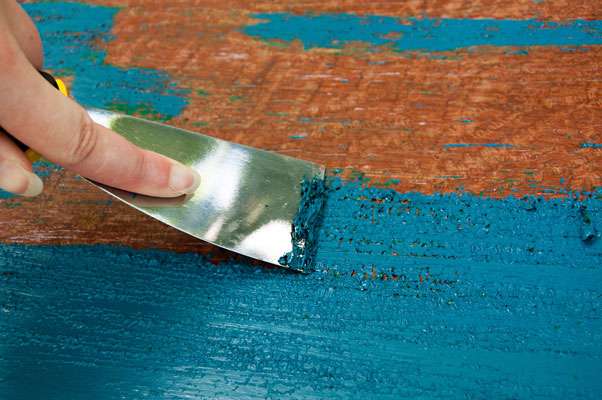
- Choosing a Method – Sandpaper and chemical strippers are best for wood. For detailed woodwork, a chemical stripper is best for getting into grooves and crevices. Apply the stripper, let it sit, and scrape off the paint. Use fine-grit sandpaper for a smooth, seamless finish.
- Finishing Touches – Once the paint is removed, clean the wood with a damp cloth and let it dry before refinishing.
Stripping Paint from Concrete
If you’re going to strip paint from concrete as part of a home renovation, it’s important to know that concrete surfaces like patios and garage floors painting often require a different method:
- Preparation – Clear the area and protect anything you don’t want to get paint stripper on.
- Choosing a Method – Chemical strippers designed for masonry work best on concrete. Apply the stripper generously, wait as long as the instructions advise, and then use a stiff brush or scraper to strip paint from concrete.
- Cleaning – Wash the concrete with water and a detergent to remove any residue from the stripper.
Stripping Paint From Metal
Stripping paint off metal surfaces can breathe new life into your railings, furniture, and doors. However, you’ll need to take special care to strip paint off metal without damaging the material underneath. Here’s how to get started:
- Preparation: As with any paint-stripping project, start by preparing your workspace. Move any furniture or items away from the area and cover the floor with drop cloths to catch any paint chips or debris. Make sure you’re in a well-ventilated area, especially if you plan to strip paint off metal using chemical strippers that can release fumes.
- Choosing a Method: The best method to strip paint off metal is typically using a chemical paint stripper. Apply a fair amount of the stripper to your metal surface using a brush or a sprayer, following the manufacturer’s instructions.
- Wait and Scrape: After applying your paint stripper, allow it to sit for the recommended time. The paint should start bubbling and lift away from the metal. Once that happens, use a putty knife or a paint scraper to remove the loosened paint.
How to Prepare the House for Stripping
Before you jump into stripping paint, it’s important to set the stage right. Think of it like getting ready for a big event—preparation is key! Make sure your space is ready to handle the mess and the fumes to keep everything safe. Here’s how to get your house prepped for paint stripping.
- Clear the Area
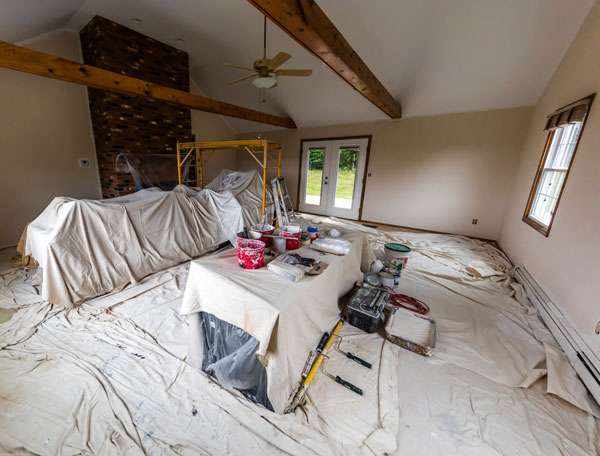
Start by removing all furniture, decorations, and other items from the room or area where you’ll be working. This not only protects your belongings but also gives you plenty of space to move around without obstacles. - Protect Surfaces
Use drop cloths or plastic sheeting to cover your floors, windows, and any immovable objects. Tape the edges so they stay in place and provide full coverage while you work. - Ventilation is Crucial
Stripping paint can release fumes and dust, which can be harmful if you inhale them. Maintain good ventilation by opening windows and doors. If possible, set up fans to help circulate fresh air and move the fumes outside. - Use Safety Gear
Safety is crucial when stripping paint. Wear protective gloves to prevent skin contact with chemical strippers. Safety goggles will protect your eyes from splashes and dust. Consider also getting a mask or respirator to avoid inhaling fumes and particles. - Contain the Mess
Stripping paint can be a messy job. Have a trash bag or bucket nearby to collect paint chips and debris as you work. This will help keep your workspace tidy and make cleanup easier.
Stripping Paint FAQ
It depends on the condition of the old paint. If it’s peeling, flaking, or bubbling, it’s best to strip it off for a smooth surface. If the old paint is in good condition, you might just need a light sanding to create a good bonding surface for the new paint.
The best way to strip paint from wood is using a chemical paint stripper followed by sanding. This combination ensures that all paint, especially from crevices and detailed areas, is removed without damaging the wood.
After stripping paint, clean the surface with a damp cloth to remove any residue. For chemical strippers, follow up with a recommended neutralizer. Dispose of paint chips and stripper waste properly, following local regulations.
Shop Our Benjamin Moore Paints in Maui
Stripping paint can be tricky, but you can achieve a beautifully smooth surface ready for fresh paint on your own. Whether you’re dealing with wood, concrete, or walls, our comprehensive guide has you covered.
Ready to start your next painting project? Shop our premium paint selection at Da Kine Paints and find everything you need to transform your space.